
People familiar with Ondiri generally know it for what it actually is, namely Kenya’s sole quaking bog, a section of land close to Kikuyu town that literally shakes beneath your feet and at the same time serves as the quiet origin of the Nairobi River. The fact that fewer people are aware is that seven kilometers beyond this area, a completely new feature is being formed: a lake which, according to most accounts, did not exist a few years ago.
The region has long been a seasonal swamp, situated in a part of the land that is generally semi-arid and which is mostly dry and unremarkable throughout the year. However, recently several of the springs in the area have stopped showing seasonal behavior; they have remained wet during dry periods which ought to have dried them out, a circumstance which is normally the first indication that something beneath the ground has moved. Moreover, the timing corresponds with a pattern that has been confusing hydrologists and geologists in the Rift Valley of Kenya for more than ten years.
Since 2011, almost all of the major lakes in the Rift Valley- Naivasha, Nakuru, Baringo, and Bogoria have reached levels that have not been seen in more than fifty years, with in some instances entire hotels, farmland, and whole roads being submerged. Scientists are debating the exact cause. Some attribute it to tectonic movement, referring to the slow grinding of the fault lines that lie directly underneath these basins and suggesting that this has changed the way that groundwater drains or pools. Others clearly point to rainfall and land use, claiming that the catchment forests, which have become degraded, can no longer absorb water as they used to and so instead of soaking in, the water runs straight downhill and ends up in any basin it can find. At present, most researchers believe that it is not a single cause but all of them together, meaning the system is under pressure from many different sources at the same time.
The fact that this kind of pressure is now appearing in the hills above Kikuyu, since springs which used to disappear every dry season are no longer doing so, would mean that this new lake is a rather unusual thing. It is not a replica of the Rift Valley situation, but an early section of what might be the same kind of story taking place somewhere else.
Understandably, the human response has been a mixture of fascination and opportunism; whenever there is suddenly lakefront land in Kenya, there is always someone ready to promote “beach plots” within a week. But the land isn’t the most interesting aspect of this story. The water is.
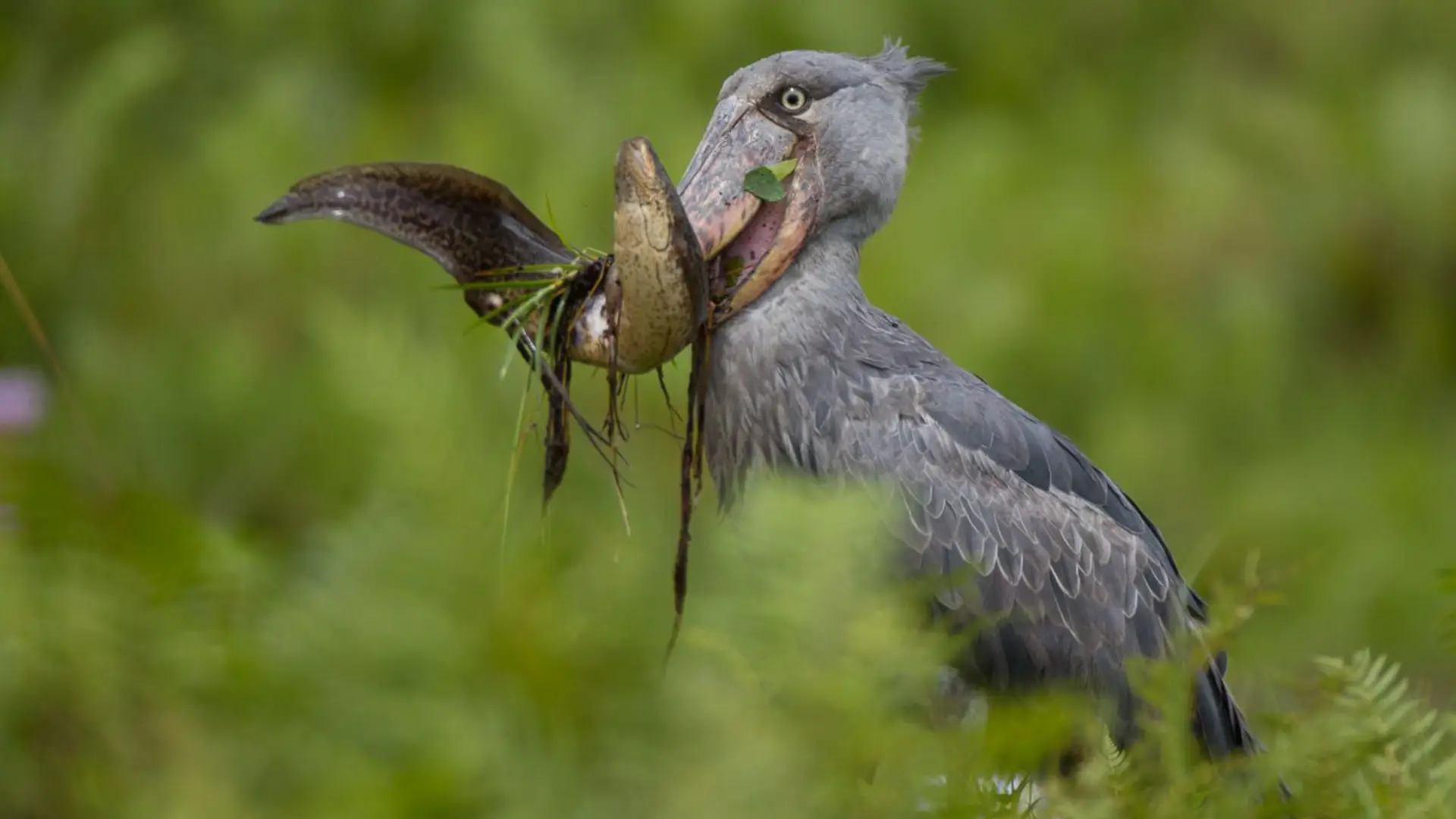
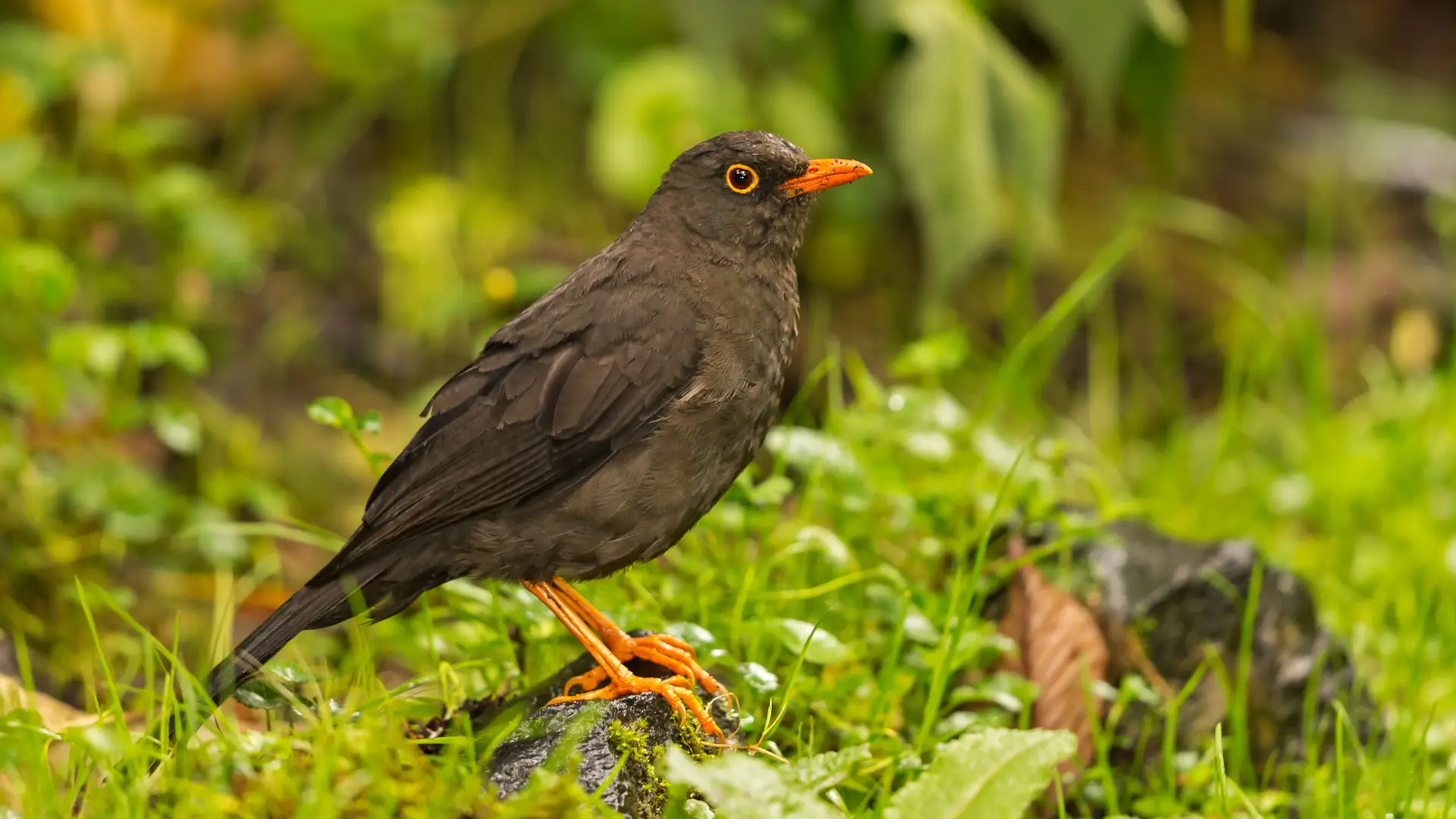
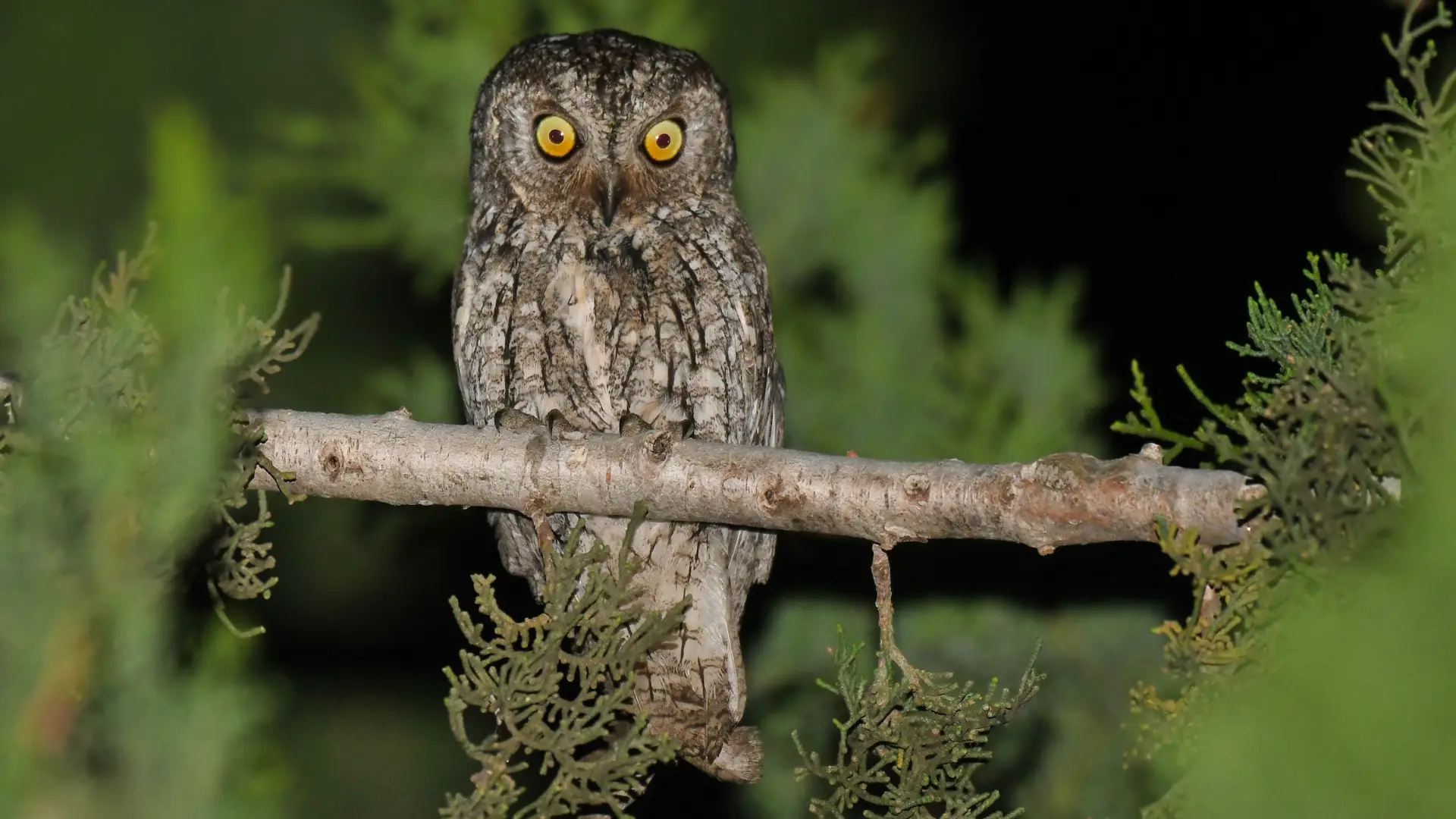
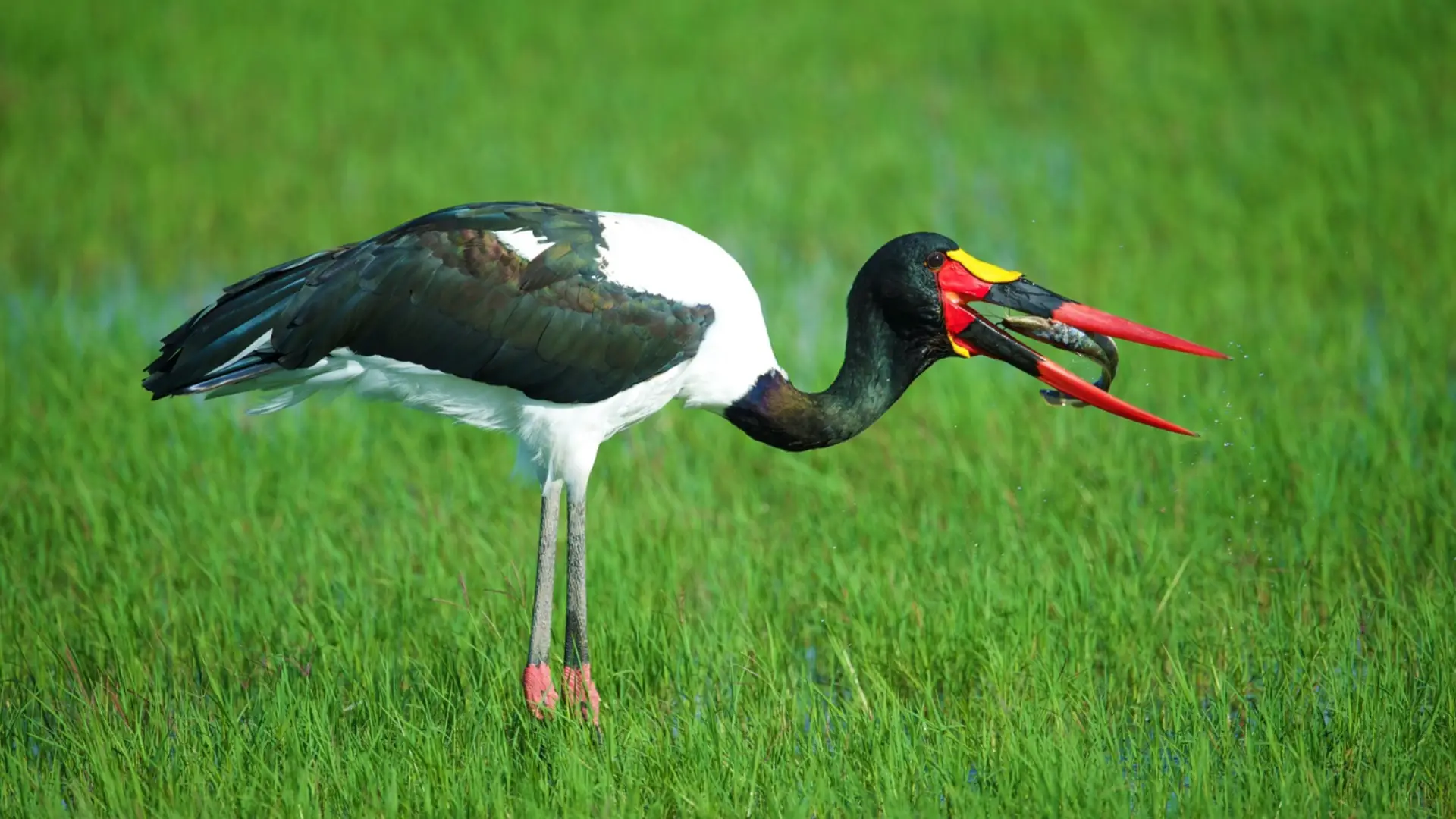
On a newly formed body of water, dragonflies and aquatic beetles are normally the first creatures to appear, and since these are already present, this shows that the lake has existed for long enough time to have developed its own small food chain rather than having appeared all at once. Mosquitoes have also turned up, as they always do. What is more important, though, is what has come after them. African Fish Eagles calling over the surface of the water, and a group of about sixty Grey Crowned Cranes, Kenya’s national bird and one whose numbers have been decreasing across East Africa for years, having settled there as though the lake had been around for a decade.
That is the true situation. For the majority of wetlands, we are only able to study after they have become established, after their ecosystems have already been formed and their history has already been set. This one, however, is still being written as it happens, being close enough to Nairobi that anyone could see it taking place. It is a lake that is only just discovering what kind of place it is going to be, and the birds have already decided it’s worthwhile to come.